
Musician
Mick Jones Net Worth 2026: Earnings & Legacy Explained

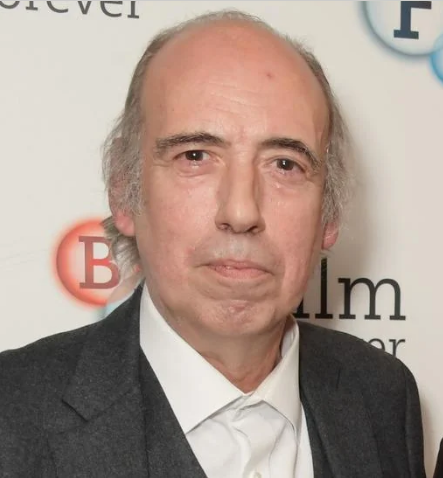
Mick Jones (born Michael Geoffrey Jones) was born on 26 June 1955 in London. His father, Tommy Jones, was Welsh and his mother, Renee Zegansky, was of Russian-Jewish background. He spent much of his childhood in south London with his maternal grandmother, Stella. In fact, Jones was raised primarily by his grandmother in a high-rise council flat in west London.
From an early age he was drawn to rock music. Jones has said that many of his favourite albums were from the 1960s rock era, records by Jimi Hendrix, Cream, The Who, The Kinks and The Beatles. He also cited 1970s glam-rock artists as key influences, especially David Bowie and Mott the Hoople.
He grew up in a working-class London neighbourhood under his grandmother’s care, and immersed himself in the music of the 1960s and early 1970s as a youth.
| Fact | Details |
|---|---|
| Full Name | Michael Geoffrey Jones |
| Known As | Mick Jones |
| Date of Birth | 26 June 1955 |
| Birthplace | London, England |
| Nationality | British |
| Profession | Musician, songwriter, producer |
| Famous For | Co-founder of The Clash |
| Mick Jones Net Worth 2026 | Not publicly disclosed |
| Primary Income Sources | Royalties, production, collaborations |
| Early Life | Raised by grandmother in London |
| Musical Influences | Hendrix, Beatles, Bowie |
| Major Band | The Clash (1976–1986) |
| Notable Songs | London Calling, Rock the Casbah |
| Post-Clash Career | Founded Big Audio Dynamite |
| Awards & Honors | Rock Hall (2003), NME award |
| Other Projects | Gorillaz, Carbon/Silicon |
| Songwriting Role | Co-writer with Joe Strummer |
| Genre Influence | Mixed punk with reggae, ska |
| Cultural Impact | Influenced modern rock artists |
| Recent Activity | Rock & Roll Public Library |
| Legacy | Key figure in punk history |
Mick Jones Career
Mick Jones is a British musician best known as the co-founder and lead guitarist of The Clash. As a singer and songwriter with The Clash in the late 1970s and early 1980s, he helped define the band’s dynamic sound. His guitar work and vocal contributions drove many of the group’s biggest songs.
After The Clash disbanded, Jones formed the genre-mixing band Big Audio Dynamite, where he continued to push musical boundaries. Over his decades-long career he has also produced albums for other artists and taken part in projects like Gorillaz and Carbon/Silicon. For his impact on rock music he has received major honors, including induction into the Rock and Roll Hall of Fame in 2003.
Throughout his career Jones has been recognized for both his musicianship and songwriting. In addition to The Clash’s awards and reissues, he has won industry accolades: for example, the Clash’s documentary film Westway to the World won a Grammy, and the band was given the “Godlike Genius” award by the NME press in 2003. In all his work, Jones has remained an influential figure in rock music, inspiring generations of artists.
Formation of The Clash and Rise in Punk Rock
Mick Jones and bassist Paul Simonon began working together on a new band in mid-1976. After seeing the Sex Pistols, they recruited vocalist Joe Strummer that June and soon added drummer Nicky “Topper” Headon. This lineup became The Clash.
The band quickly became central to London’s burgeoning punk scene. Their first live show was in July 1976 opening for the Sex Pistols in Sheffield, and by late 1976 they were playing key venues like the 100 Club and the Roxy in London. The group’s early single “White Riot” (March 1977) and debut album The Clash (April 1977) established their reputation.
Jones played lead guitar and shared vocal duties, helping to craft the band’s fierce sound and politically charged style from the very beginning. The Clash’s rise was rapid. They were distinctive in punk for bringing diverse influences into their music.
Jones later recalled that the punk scene felt electric and new, saying it was “a new scene, new values… a bit dangerous,” reflecting how it inspired him. Within a year of forming, The Clash were headlining shows and recording albums. Their energetic performances and socially conscious lyrics set them apart from many contemporaries. Jones’s guitar work and songwriting were key in shaping that breakout era.
Key Albums and Career-Defining Songs with The Clash
During The Clash’s heyday (1977 to 1982), Mick Jones performed on all of the band’s major albums and co-wrote many of their songs. The band’s self-titled debut (The Clash, 1977) featured the anthemic single “White Riot.”
Their second album Give ’Em Enough Rope (1978) continued their success, and by the third album London Calling (1979) The Clash’s international profile had skyrocketed. London Calling (a double album) was critically hailed and expanded the band’s musical range. It included hits like “London Calling” and “Train in Vain,” and showcased Jones’s versatile guitar playing that blended punk with reggae and rockabilly influences.
The Clash continued to experiment on Sandinista! (1980), a sprawling triple LP where Jones’s contributions included reggae and dub-inflected tracks. Their next album, Combat Rock (1982), produced two of the band’s most enduring hits.
Jones co-wrote the songs “Rock the Casbah” and “Should I Stay or Should I Go,” which became international chart hits and are among The Clash’s best-known tunes. On Combat Rock, his driving guitar parts and vocals helped bring a more radio-friendly sound to the band.
These songs especially “Rock the Casbah” became staples of rock radio and live shows, ensuring Jones’s performances reached a broad audience. Throughout these albums, Jones’s role was both as lead guitarist and as one of the principal songwriters. He sang lead vocals on some tracks, wrote or co-wrote many of The Clash’s classics, and delivered memorable guitar solos.
For example, he wrote the hit “Train in Vain” and was the credited sole writer on “Rock the Casbah.” His songwriting partnership with Joe Strummer produced a blend of punk energy and melodic sensibility, with Jones often focusing on the music composition while Strummer provided much of the lyrics. Together they created a string of genre-defining songs that have become fundamental to the punk-rock canon.
Mick Jones’ Role in Shaping Punk Rock Music
As co-leader of The Clash, Mick Jones was instrumental in expanding the sound and scope of punk rock. The Clash were not content to stick strictly to punk’s original formula; under Jones’s influence they incorporated elements of reggae, ska, funk and rockabilly into their music.
Critics note that Jones and Strummer “augmented the three-chord assault of punk” with these styles, injecting the music with new textures and rhythms. Jones’s guitar style sharp, melodic, and sometimes reggae-inspired helped set The Clash apart from their peers.
For example, songs like “(White Man) in Hammersmith Palais” and “Guns of Brixton” blend punk attitude with reggae and dub touches. Politically, Jones helped steer The Clash toward idealism rather than nihilism.
He co-wrote many of the band’s socially conscious songs, delivering riffs that matched Strummer’s fiery lyrics about inequality, war and social change. Fellow musicians have praised The Clash’s energy and conviction: Rage Against the Machine guitarist Tom Morello later said The Clash “played with an unflinching political fire.”
Jones’s contributions made the band “the most important” punk act in the words of a Billboard retrospective because they combined speed and attitude with thoughtful content and diverse influences. This approach influenced countless punk and alternative bands that followed, showing that punk could have depth and musical variety.
The Clash’s genre-bending approach under Jones’s leadership paved the way for future rock movements. Many later punk and indie bands cite The Clash’s example of mixing styles as a template.
Green Day’s Billie Joe Armstrong, for instance, has noted that Clash songs felt “fully realised, well played” an indication of the craft that Jones put into the songwriting.
Post-Clash Career: Big Audio Dynamite and Musical Evolution
After The Clash split up in the mid-1980s, Mick Jones embarked on a new chapter by forming Big Audio Dynamite in 1984. He gathered a group that included film-maker Don Letts and other musicians from the post-punk scene.
As the founder and frontman, Jones led Big Audio Dynamite toward a fresh sound that blended rock guitar with dance beats, funk grooves, and even hip-hop sampling. This fusion carried forward his adventurous spirit from The Clash era.
Big Audio Dynamite released its debut album This Is Big Audio Dynamite in 1985. It featured the hit single “E=MC²,” which enjoyed success in dance clubs, showing how Jones was now writing for a new context.
In 1986 he reunited briefly with Joe Strummer to collaborate on the band’s second album No. 10, Upping St., co-writing several tracks. The album showcased Jones’s willingness to experiment with sampling and keyboards while keeping rock guitar at the center.
Subsequent albums like Tighten Up, Vol. 88 (1988) and Megatop Phoenix (1989) continued the eclectic mix. The single “Just Play Music!” from Tighten Up, Vol. 88 reached number one on Billboard’s Modern Rock Tracks chart, highlighting that Jones still knew how to craft catchy, contemporary songs.
In all, Big Audio Dynamite released seven studio albums through the 1980s and 1990s. During this time Jones was not only the guitarist and singer but also the chief songwriter and arranger, exploring new production techniques.
After the original lineup disbanded around 1990, Jones continued under the Big Audio name including later iterations in the early 1990s. Although the group never matched the mainstream impact of The Clash, it earned critical respect for its innovative approach.
In 2011 Jones briefly reunited the original lineup for a well-received reunion tour in the UK, demonstrating the enduring interest in the music he created after The Clash.
Major Achievements, Awards, and Hall of Fame Induction
Mick Jones’s career has garnered several major accolades. The high point was his induction into the Rock and Roll Hall of Fame in 2003, as a member of The Clash. This honor reflected The Clash’s status as rock icons. The same year, the band received an NME Award for “Godlike Genius,” a lifetime achievement honour in the UK music press.
Also around this time a Clash documentary (Westway to the World, 2000) won a Grammy Award for Best Music Film, affirming the band’s lasting impact. His songwriting has been recognized as well. British music industry awards have honored Jones for compositions he penned with Strummer, and music historians often cite Clash albums like London Calling and Combat Rock as among the greatest of their era.
In 1998 the Clash’s catalog was celebrated with album reissues, and Jones himself received songwriting recognition for his contributions to music. Overall, the combination of Hall of Fame induction and music awards highlights Jones’s achievements as a musician, songwriter and innovator.
Mick Jones’ Influence on Modern Music and Artists
Jones’s influence extends far beyond the original punk era. Many modern musicians list The Clash and Jones’s work as a major inspiration. Pop-punk bands in the 1990s and 2000s often cited his blend of melody and edge. Green Day’s frontman Billie Joe Armstrong has praised the Clash’s songcraft, and entire movements from ska-punk to rap-rock trace roots back to their style.
Music journalists and critics frequently compare Jones’s songwriting partnership with Joe Strummer to other legendary duos. Retrospectives place them alongside famous songwriting teams, noting classic songs like “London Calling,” “Rock the Casbah,” and “Lost in the Supermarket.”
Commentary highlights how Jones helped transcend punk’s boundaries by bringing reggae and pop sensibilities into the mix. His creative philosophy continues to influence acts who mix genres or address social themes in music.
Career Highlights, Discography, and Verified Sources
- The Clash (1976 to 1986): Co-founded the band and served as lead guitarist, co-vocalist and principal songwriter. Key albums include The Clash (1977), Give ’Em Enough Rope (1978), London Calling (1979), Sandinista! (1980) and Combat Rock (1982). Signature songs include “White Riot,” “Train in Vain,” “Rock the Casbah” and “Should I Stay or Should I Go.”
- Big Audio Dynamite (1984 to 1997, reunion 2011): Founded the band to explore genre-mixing sounds. Notable albums include This Is Big Audio Dynamite (1985), No. 10, Upping St. (1986), Tighten Up, Vol. 88 (1988) and Megatop Phoenix (1989). Hit singles include “E=MC²,” “Medicine Show,” and “Just Play Music!”
- Carbon/Silicon (2002 to present): Co-founded with Tony James to continue genre-blending experimentation. Released albums including The Last Post (2007).
- Production and Collaborations: Produced albums for artists including Ellen Foley, Ian Hunter, The Libertines, and Babyshambles. Contributed to projects by Gorillaz, Rachid Taha and The Avalanches.
- Awards and Honors: Inducted into the Rock and Roll Hall of Fame in 2003. Received NME “Godlike Genius” award. Associated with Grammy-winning music film projects.
- Discography: Guitar and vocals on major Clash albums and founder of Big Audio Dynamite recordings.
- Songwriting Credits: Authored and co-authored numerous influential songs across multiple decades.
Current Work, Music Projects, and Industry Activity
In recent years Mick Jones has focused on curating his legacy and making occasional creative contributions. In 2025 he launched the Rock and Roll Public Library, a traveling exhibition displaying his personal archives and memorabilia from his music career. This project presents recordings, art, journals and other materials connected to his work. Musically, Jones continues to appear as a guest on select projects.
He contributed to releases by The Avalanches and has participated in collaborative performances. While he has not released new solo albums in this period, he remains active through archival projects, reissues, and cultural exhibitions. Outside of recording, Mick Jones remains involved in music industry discussions and retrospective projects related to punk history.
As of 2026, he continues to be recognized as a co-founder and lead guitarist of The Clash and remains active in preserving and presenting the legacy of his work.
Mick Jones Net Worth
As of 2026, Mick Jones’s worth has not been publicly disclosed, and no figure has been officially verified by major financial authorities. His primary sources of income include songwriting and publishing royalties from his work with The Clash and Big Audio Dynamite, performance royalties from recordings and live concerts, and fees from music production credits on other artists’ projects. Specific earnings from these sources have not been publicly disclosed.
FAQs
1. What is Mick Jones known for?
Mick Jones is best known as the co-founder and lead guitarist of The Clash. He played a key role in shaping the band’s sound and co-wrote many of their most influential songs.
2. Is Mick Jones still active in music?
Mick Jones remains active through occasional collaborations and cultural projects. In recent years, he has focused more on archival work and exhibitions related to his career.
3. Did Mick Jones write songs for The Clash?
Yes, Mick Jones co-wrote many of The Clash’s songs, often collaborating with Joe Strummer. He also wrote or contributed significantly to several of the band’s major hits.
4. What band did Mick Jones form after The Clash?
After The Clash, Mick Jones founded Big Audio Dynamite in 1984. The band combined rock with elements of dance, hip-hop, and electronic music.
5. Has Mick Jones won any major awards?
Mick Jones was inducted into the Rock and Roll Hall of Fame in 2003 as a member of The Clash. The band has also received industry recognition, including awards from music organizations like NME.
6. What instruments does Mick Jones play?
Mick Jones is primarily known for playing the guitar. He is also a vocalist and has contributed to songwriting and production.


James Bourne’s net worth remains private, with no officially verified figure from major financial authorities. As of 2026, his income is linked to his music career. As co-founder of Busted, Son of Dork, and McBusted, Bourne has earned royalties from multi-Platinum album sales and multiple UK No. 1 singles.
He also writes songs for other artists, including the Jonas Brothers, Backstreet Boys, and McFly, under a major publishing deal that generates publishing royalties. Bourne also composes and licenses original stage musicals, including the Olivier-nominated Loserville, creating income from theater productions. Specific earnings from these ventures are not publicly disclosed.
Busted Songwriting Royalties and Band Revenue
Bourne’s main income comes from Busted’s major commercial success. Industry sources note that Busted “sold more than five million records worldwide.” The band achieved multiple platinum singles and albums, generating substantial mechanical and performance royalties for Bourne as a co-writer.
Those royalties continue whenever the songs are sold or streamed. Busted’s signature tracks still attract strong streaming activity, with Spotify showing tens of millions of plays for hits such as “What I Go To School For,” reflecting ongoing digital royalty income for Bourne.
View this post on Instagram
Also Read: Steve Winwood Net Worth
Music Publishing Value From James Bourne’s Songs
Bourne’s songwriting catalog has formal publishing value. In 2022, he signed a global publishing agreement with Warner Chappell Music covering his extensive catalogue and future works, showing industry confidence in his long-term royalties.
Spotify’s songwriter profile lists 137 songs credited to Bourne. They include tracks by Busted and Son of Dork, along with compositions recorded by other artists.
Bourne also co-wrote the Jonas Brothers hit “Year 3000” and early McFly number-one singles. Album sales, streaming, and radio play from those songs generate publishing royalties that flow to Bourne under the Warner Chappell deal.
Live performance has also been a major revenue source. Industry data show that Busted’s touring has been highly lucrative, with ticketing information for recent tours citing the band as having sold over 2 million tickets across multiple arena runs.
Bourne took part in these tours as a member of Busted and the supergroup McBusted, sharing in gross receipts after expenses. Exact tour grosses are proprietary, but selling millions of tickets at arena prices produced significant revenue.
Stage fees, merchandise splits, and sponsorships from Busted and McBusted tours also contributed to Bourne’s earnings as a performing artist.
Stage Musical Work as a Separate Creative Income Stream
Beyond pop music, Bourne co-created stage musicals, creating another revenue channel. He has composed or co-written six original musicals, most notably Loserville, which ran in London’s West End and earned an Olivier Award nomination for Best New Musical in 2013.
Musical income includes theatrical production fees and licensing revenue from professional and amateur performances. Bourne is credited as an author of Loserville and other stage productions. Each licensed performance generates royalties for the writers, giving Bourne a separate long-term income stream beyond recorded music.
Public Estimates Versus Verified James Bourne Records
Official Companies House records provide limited factual financial data connected to Bourne’s business activities. James Bourne Limited reported net assets of £35,812 for the year ending July 2023.
Separate filings for a property-related company connected to Bourne listed a fixed asset valued at approximately £335,981, although liabilities significantly reduced the net equity position. Public corporate filings therefore provide only partial visibility into Bourne’s overall finances.
Also Read: Steve Hackett Net Worth
View this post on Instagram
Son of Dork and a Post-Busted Band Identity
After Busted’s breakup in 2005, Bourne formed the pop-rock band Son of Dork, serving as lead singer and principal songwriter. The band’s debut single, “Ticket Outta Loserville,” became a UK Top 3 hit, while the follow-up, “Eddie’s Song,” reached the UK Top 10.
Son of Dork released the album Welcome to Loserville in late 2005, continuing the melodic pop-punk style associated with Bourne’s earlier work. During 2005 and 2006, the band toured extensively across the UK and built a dedicated fan following within the pop-rock scene. Although the group later became inactive, Son of Dork gave Bourne a separate musical identity outside Busted.
Solo Releases Through Future Boy and Beyond
Outside his band projects, Bourne released solo material under the alias Future Boy and under his own name. In 2010, he released the electronic-pop project Volume 1 under the Future Boy identity, adopting a more synth-driven sound.
He later returned as a solo artist under his own name and released the album Safe Journey Home in 2020. The project featured a more reflective songwriting style, blending acoustic, electronic, and pop influences.
Bourne followed with the album Sugar Beach in 2022, continuing his independent creative direction. In 2025, he released “Cross the Worlds,” recorded as the theme song for the video game Sonic Racing: CrossWorlds. These solo releases reflect Bourne’s work across multiple genres while maintaining his active role as a songwriter, recording artist, and creative collaborator.
Also Read: Keith Moon Net Worth
FAQs
- What is James Bourne best known for professionally?
James Bourne is best known as a founding member, vocalist, guitarist, and songwriter of Busted. The band achieved major UK chart success and won two BRIT Awards. - Did Busted win major awards while James Bourne was in the band?
Yes. Busted won British Breakthrough Artist and Best Pop Act at the 2004 BRIT Awards. - How strong was Busted’s UK chart record?
Busted has four UK No. 1 singles, eight UK Top 10 singles, and one UK No. 1 album on the Official Charts record. That record supports Bourne’s standing as a commercially successful songwriter and performer. - What role did James Bourne have in McBusted?
James Bourne was part of McBusted, the supergroup formed by members of Busted and McFly. The project released a self-titled album in 2014 that reached the UK Top 10 on the albums chart. - Is James Bourne linked to songs outside Busted?
Yes. His songwriting credits extend beyond Busted to artists including 5 Seconds of Summer, Backstreet Boys, Boyzone, Jonas Brothers, McFly, Pixie Lott, The Saturdays, and The Vamps. - Is Loserville still connected to James Bourne’s professional work?
Yes. Loserville remains licensed through Music Theatre International, which lists it as a West End show nominated for an Olivier Award for Best New Musical in 2013.
Also Read: Mick Jones Net Worth

Alan Price was born on 19 April 1942 in Fatfield, a village near Washington in County Durham. He grew up in a working-class family in northeast England. In 1948, when Price was six years old, his father was killed in an industrial accident.
Following this tragedy, the family moved to nearby Jarrow in South Tyneside, where young Alan continued his education. He attended Jarrow Grammar School in the early 1950s, receiving a standard education typical of the time.
From an early age, Price showed a strong musical instinct and taught himself to play keyboard instruments. In interviews, he recalled that “there was always a piano at my granny’s” and that skiffle and jazz music were “always around the house” during his youth.
By his teenage years, Price was already active in the local music scene; a contemporary account describes him as a “piano prodigy” who took part in the mid-1950s British skiffle craze. Thus, despite his modest upbringing, Price’s early environment from family gatherings to school activities was rich in the jazz and skiffle sounds that would shape his musical development.
| Fact | Details |
|---|---|
| Full Name | Alan Price |
| Date of Birth | 19 April 1942 |
| Birthplace | Fatfield, County Durham, England |
| Nationality | British |
| Profession | Musician, Composer, Singer, Keyboardist |
| Famous For | Founding member of The Animals |
| Signature Instrument | Hammond Organ |
| Breakthrough Song | The House of the Rising Sun (1964) |
| Alan Price Net Worth | Not publicly disclosed as of 2026 |
| Income Sources | Music royalties, live performances, film scores, publishing rights |
| Major Award | BAFTA Award (1974) for O Lucky Man! soundtrack |
| Hall of Fame | Inducted into Rock and Roll Hall of Fame (1994) |
| Solo Career Highlights | Hits like Simon Smith and His Amazing Dancing Bear |
| Film & TV Work | Composer for films and TV themes, including Hot Metal |
| Musical Influence | Pioneer of keyboard-driven rock in the 1960s |
Early Career Moves and Entry Into the Music Industry
Alan Price grew up in northeast England and was a self-taught pianist and organist from an early age. As a teenager he started performing in local rhythm-and-blues groups around Newcastle.
He formed an R&B combo in the early 1960s with guitarist Hilton Valentine, initially called the Black Diamonds and later the Alan Price Combo. When Chas Chandler bass and John Steel drums joined, the group played clubs in the Tyneside area.
Under the guidance of manager Mike Jeffery, the band with its strong keyboard-driven sound developed a following. Price’s talents at the piano and organ became a foundation for the band’s evolving style.
How Alan Price Started His Career with The Animals
In 1963 the Combo recruited singer Eric Burdon to complete the lineup. With Burdon on vocals, the band renamed itself The Animals. The group signed a recording contract in late 1963 and began working in London’s pop scene. As the original keyboardist of the Animals, Price was at the heart of the band’s sound.
He played Hammond organ and Vox Continental organ on all their early records. The Animals released their first single Baby Let Me Take You Home in early 1964 and quickly followed with other singles. Price’s energetic organ riffs and arrangements were a key part of these recordings, setting up the band’s blues rock identity from the outset.
Breakthrough Success and Rise to Fame in the 1960s
The Animals broke through internationally in 1964, largely on the strength of Price’s work. Their cover of the traditional folk song The House of the Rising Sun featured Price’s memorable organ arrangement and became a No. 1 hit in the UK and US.
The dramatic minor key organ opening became an iconic rock riff. Price also played on other early hits like I’m Crying and Bring It On Home to Me, and on chart successes in 1965 such as Don’t Let Me Be Misunderstood. The band made major television and radio appearances including on shows like Ready Steady Go and The Ed Sullivan Show in America and toured widely.
Price’s powerful keyboard style combining blues, jazz influenced chords and rock energy helped define the Animals’ aggressive R&B sound. His performance on stage and in the studio drew praise; he was named Britain’s top keyboard player in music polls of the era. In mid 1965, at the peak of this success, Price suddenly left The Animals. He cited a severe fear of flying and growing financial and creative disputes as reasons for his departure.
His exit effectively ended the original Animals lineup. Price’s split allowed him to pursue his own musical direction while the band continued with a replacement keyboardist.
Alan Price’s Solo Career and Musical Evolution
Immediately after leaving The Animals, Price formed his own group called the Alan Price Set. The new band featured Price as lead vocalist and keyboardist, backed by a horn section, bass and drums not including guitar. This gave the group a jazzier R&B sound. Within a year, Price began charting under his own name.
The Set’s first singles in late 1966 notably Screamin Jay Hawkins’s I Put a Spell on You and a cover of the 1950s ballad Hi Lili Hi Lo both reached the UK Top Twenty, establishing him as a solo star.
His 1966 album The Price to Play showcased this horn driven style. In 1967 the Alan Price Set scored two Top Ten hits with Simon Smith and His Amazing Dancing Bear and The House That Jack Built the latter a song written by Price.
These singles reflected Price’s playful songwriting and his willingness to blend pop and music hall influences with R&B rhythms. During this period Price also hosted his own BBC television music show O Price to Play, where he performed and introduced other artists.
In 1967 his second Set album A Price on His Head was a concept record that highlighted Price’s growing interest in American songwriting it featured songs by then unknown Randy Newman. In 1971 Price collaborated with British blues jazz singer Georgie Fame. The duo recorded the single Rosetta, which became a UK Top 20 hit, and released a joint album.
They also appeared together on variety television programmes, showing Price’s versatility beyond rock. Price’s solo career continued into the 1970s. He signed to Warner Bros. and released Between Today and Yesterday in 1974, an autobiographical double album about his roots and life.
It included the single Jarrow Song, an ode to his North East heritage; this song reached the UK Top Ten in 1974 and brought Price back into the charts after several years. In the late 1970s Price recorded further albums like Metropolitan Man 1975 and Performing Price 1975, and his singles Just for You 1978 and Baby of Mine 1979 saw modest chart action in the UK.
Throughout these years he also played piano and organ on stage, showing a deepening musical range. In the 1990s Price explored the blues and jazz pop spectrum. He formed the Electric Blues Company with guitarist vocalist Zoot Money and Bobby Tench, releasing the albums Covers 1994 and A Gigster’s Life for Me 1996.
These recordings emphasized classic R&B and blues standards. He has continued to tour with his band intermittently since then. Price also began curating his catalog: several compilations and live albums for example Performing Price live LP were issued in the 1980s and 1990s.
Work as a Composer for Film, Television, and Theatre
Beyond performance, Price has had a significant career writing music for film, television and stage. In film, his most celebrated work is the soundtrack for the 1973 satire O Lucky Man, directed by Lindsay Anderson. Price composed and performed all the songs in the film such as Poor People and Changes, and the soundtrack won him the 1974 BAFTA award for Best Film Music.
He later collaborated again with Anderson, providing the score for Britannia Hospital 1982. Price also scored The Whales of August 1987, an American drama starring Bette Davis, and contributed to other movie soundtracks.
Price occasionally appeared on screen as well: he had a cameo performing in the Bob Dylan documentary Don’t Look Back 1967, and played the lead role in the British film Alfie Darling 1975, for which he also helped create the music.
In television, Price composed theme music for several UK series. For example, he wrote the theme song Papers for the satirical comedy series Hot Metal London Weekend Television 1983 to 1984. He also created themes for dramas like Fame Is the Spur the 1988 BBC serial and The Further Adventures of Lucky Jim 1986.
These compositions often featured his trademark organ and piano style. On stage, Price co wrote and composed a West End musical. In 1982 he created the score and songs for Andy Capp, based on the British comic strip.
He worked with lyricist Trevor Peacock on the show, which opened at London’s Aldwych Theatre. Price also appeared in the production. The Andy Capp musical was later revived in later years by fringe theatres, underscoring Price’s role in its creation.
Major Career Milestones and Notable Achievements
Alan Price’s career is marked by several landmark achievements. In 1994 he was inducted into the Rock and Roll Hall of Fame as a founding member of The Animals. As a songwriter and composer, he has been recognized by his peers: in 1983 he won the Ivor Novello Award for Time and Tide, a song from the film The Plague Dogs.
On the charts, he accumulated numerous UK hits with both The Animals and his solo band including multiple Top Ten singles and albums for example the album Between Today and Yesterday reached the UK Top Ten. The Animals’ debut album and their singles have earned classic status in British rock history.
Price also received press and industry honors for his musicianship. In 1967 he was voted Britain’s top keyboard player in the Beat Instrumental Gold Star awards. His skill as a composer was widely praised and noted for intelligence and restraint in songwriting.
Through decades of work, Price has accumulated a legacy of influential recordings. Collections of his music have been reissued in recent years. The album Savaloy Dip recorded in 1974 was finally released in 2016. These milestones underline Price’s lasting impact from chart topping hits in the 1960s to award winning film scores.
Alan Price’s Influence on Rock and Organ Music
Price is widely regarded as a pioneer of keyboard based rock in Britain. His unconventional organ parts and arrangements helped put the instrument at the center of a rock band sound. The Animals’ recordings with Price’s organ demonstrated how the instrument could lead a song as powerfully as guitar. His work on The House of the Rising Sun and Don’t Let Me Be Misunderstood showcased the emotional range of his style.
Beyond individual songs, Price’s approach influenced other British rock and R&B musicians. He blended American blues and jazz influences with British pop sensibilities, helping to broaden the sound of the 1960s rock era. His reinterpretation of standards and his songwriting versatility influenced other artists to experiment across genres. His role as a keyboardist fronting a band also expanded expectations within rock performance.
Current Work, Recent Projects, and Musical Activities
Into the 21st century, Alan Price has remained active as a performer and bandleader. He continues to tour and perform live, particularly in the United Kingdom. His concerts typically feature a mix of Animals classics and solo material, along with updated arrangements.
In 2016 the album Savaloy Dip was officially released, bringing previously unreleased material to audiences. In 2017 a multi disc compilation of his 1960s recordings was issued, preserving his early work for new listeners.
Price continues to collaborate with other veteran musicians and appears in live performances that celebrate classic British rhythm and blues. In recent years he released Rock Revisited 2022, a collection of instrumental interpretations of well known rock compositions.
Alan Price remains active in live music performance, maintaining a long standing presence in the industry through concerts, recordings, and continued engagement with audiences.
Alan Price Net Worth
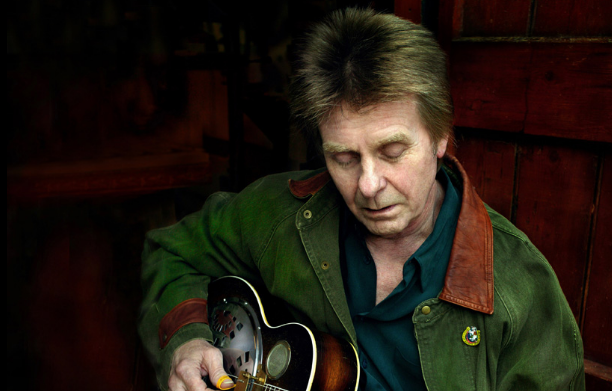
Joe Brown was born Joseph Roger Brown on 13 May 1941 in the village of Swarby, Lincolnshire. During World War II, when he was about two years old, his family moved to Plaistow in East London, where they took over the Sultan public house on Grange Road. He spent his early childhood in wartime London, later recalling “roaming the bomb sites of Plaistow as a boy,” while living above the pub. His mother ran the establishment, creating a lively, music-filled household. Brown noted that “no one [was] musical in my family, but there was a lot of music in the pub.”
Growing up in the pub environment, Brown helped out in the family business and earned pocket money in various ways. As a boy, he sold cockles and winkles and collected scrap metal at weekends. At around the age of ten, he became fascinated by the guitar. He later recalled that he “fell in love with the guitar” at that age, buying his first instrument a second-hand guitar for one pound from a local musician. Within a couple of years, he had saved enough to own a guitar of his own and taught himself to play by ear, without formal lessons.
Brown’s formal education ended early, and he moved into regular work in his teens. He left school at around twelve and went to work on the railways. In the late 1950s, he spent about two years working as a steam-engine fireman in the Plaistow area of East London.
| Fact | Details |
|---|---|
| Full Name | Joseph Roger Brown |
| Date of Birth | 13 May 1941 |
| Birthplace | Swarby, Lincolnshire, England |
| Early Life | Raised in East London during WWII, growing up above a family-run pub |
| Musical Start | Began playing guitar at around age 10, self-taught by ear |
| First Band | Formed a skiffle group called The Spacemen in 1956 |
| Breakthrough Opportunity | Worked as lead guitarist on TV show Boy Meets Girls (1958) |
| Music Genres | Rock and roll, skiffle, rockabilly, country, and pop |
| Signature Song | “A Picture of You” (UK No.2 hit in 1962) |
| Career Peak | Early 1960s British rock-and-roll era with multiple Top 10 hits |
| Collaborations | Worked with artists like George Harrison and supported major tours |
| Theatre & Media Work | Starred in West End musical Charlie Girl and hosted TV/radio shows |
| Awards & Honors | Awarded MBE in 2009 for services to music |
| Net Worth Status (2026) | Not publicly disclosed; no verified financial figure available |
| Sources of Income | Music royalties, live performances, songwriting, TV and radio appearances |
| Recent Activity | Continued digital releases, anniversary box sets, and occasional appearances |
Joe Brown Career
Joe Brown is an English rock-and-roll singer and guitarist whose professional music career has spanned six decades. Emerging as one of the original British rock stars of the late 1950s, he became known for energetic live shows and a string of hit records in the early 1960s.
Brown’s musical style mixed skiffle, rockabilly, country and pop, reflecting the evolving British music scene. Over the years he expanded into West End theatre and television, yet always remained best known as a performing musician. His enduring impact was recognized with an MBE in 2009 for services to music.
How Joe Brown Started His Music Career
Brown’s music career began as a teenager in London. In 1956 he formed a skiffle group called The Spacemen (with brothers Pete and Tony Oakman) and played clubs and holiday camps around East London and Yorkshire.
He balanced these early gigs with a day job working as a steam locomotive fireman for British Railways. In 1958 a chance break came when TV producer Jack Good hired Brown as the lead guitarist on the pop music TV series Boy Meets Girls.
On that show Brown backed auditioning singers and visiting American rock acts, sharpening his skills on guitar. This exposure quickly led to record contracts: by 1960 Brown recorded his first singles (for Decca Records) and began to build a fanbase in the new British rock-and-roll boom.
Early Rock and Roll Career in the UK
By the end of the 1950s, Joe Brown was a key figure in Britain’s nascent rock scene. As lead guitarist on Boy Meets Girls, he performed with American stars on their UK tours, backing artists like Eddie Cochran and Gene Vincent.
In 1960 his recording of “Darktown Strutters’ Ball” (credited to Joe Brown and the Bruvvers) became a minor UK hit, introducing Brown’s raw guitar style to record buyers. Around this time he assembled a permanent backing band (nicknamed The Bruvvers by Jack Good) to tour with him. These experiences helped Brown hone his stagecraft and guitar technique at the heart of British rock and roll’s formative years.
Joe Brown Breakthrough and Rise in British Rock
The early 1960s saw Brown break through as a pop star. Under manager Larry Parnes he signed to Pye’s Piccadilly label and began releasing hit singles. In 1962 and 1963 he scored a string of chart successes, elevating him to national fame.
That year he was voted the UK’s Top Vocal Personality in the influential NME poll, marking his status as one of Britain’s leading young entertainers. At the peak of his popularity Brown headlined major British tours; notably, rising bands of the era served as his support acts.
In 1962 a then-unknown The Beatles even opened shows for Brown, a fact he later recalled with amazement. He also ventured into film and radio during this period: for example, he co-starred in the musical comedy film What a Crazy World (1963) and later hosted the children’s TV series Joe & Co, establishing his career on-screen as well as on record.
Music Career Highlights and Popular Songs
Brown’s catalogue includes several Top Ten hits from the 1960s that remain closely associated with him. Notable singles include:
- “A Picture of You” 1962 single that reached No.2 on the UK charts (becoming Brown’s signature song).
- “It Only Took a Minute” 1962 single which climbed to No.6 in the UK.
- “That’s What Love Will Do” 1963 single peaking at No.3 UK.
- “Darktown Strutters’ Ball” 1960 release that became Brown’s first chart entry.
In addition to these rock and roll hits, Brown frequently recorded lively covers of older standards and music-hall tunes. Later in his career he became identified with the ukulele-inspired ballad “I’ll See You in My Dreams” (famously performed at the 2002 Concert for George).
Beyond singles, Brown’s career highlights include live and stage work: he starred in the London West End musical Charlie Girl from 1965 to 1968 and appeared in British films such as Three Hats for Lisa (1965) and Mona Lisa (1986). His versatility in song choice and performance kept him a popular act through the 1960s.
Career Growth and Long-Term Success in Music
In the 1970s Brown sought new creative directions while maintaining his live presence. In 1972 he formed the band Brown’s Home Brew, which blended rock’n’roll, country and gospel influences.
This lineup featured his wife Vicki Brown (a singer) and Pete Oakman from his earlier band. Home Brew released two albums and toured the UK, showcasing Brown’s broadening musical palette.
Although promoters often marketed the band as “the Joe Brown Show,” Brown’s setlists ranged from Bob Wills honky-tonk to music-hall classics, reflecting his eclectic tastes.
During the 1980s and ’90s Brown diversified into media and songwriting. He hosted British TV game shows, notably the Granada quiz Square One (early 1980s) and the ITV program Show Me (1987), while also making occasional film appearances (including a small role in Mona Lisa).
In 1982 his guitar work appeared on George Harrison’s album Gone Troppo, marking the start of his collaboration with his friend Harrison. Back on stage, Brown continued regular touring and periodic album releases. After a quieter period in the late 1970s, he returned to the studio in the early 1990s: for example, the live album Joe Brown Live! appeared in 1990, and the studio album Come On Joe followed in 1993 (produced by his son Pete Brown).
In 1997 he co-wrote and performed the album Fifty Six and Taller Than You Think, and in 1998 he recorded On a Day Like This in Nashville with producer Roger Cook. He even co-wrote a musical stage show (Don’t You Rock Me Daddio, 2005) about the skiffle era, drawing on his roots.
Throughout the 1990s and 2000s Brown maintained an active touring schedule, often playing around 100 concerts per year. He joined forces with other British rock veterans on “Solid Gold” nostalgia tours, and in 2010 he supported Status Quo on a UK arena tour.
He also became a familiar voice on BBC Radio 2; he presented series on classic rock’n’roll and even guest-hosted the station’s Sounds of the ’60s. On stage he remained adaptable, performing everything from ukulele numbers to country hoedowns.
In 2008, celebrating 50 years as a professional musician, Brown headlined a sold-out Royal Albert Hall concert with guest stars like Mark Knopfler and his daughter Sam Brown. A compilation album from that year went gold in the UK.
Career Achievements and Honors (Including MBE)
Joe Brown’s achievements have been recognized with multiple honours. In 2009 he was appointed a Member of the Order of the British Empire (MBE) for services to music. That same year he received MOJO magazine’s Award for Outstanding Contribution to Music, presented to him by guitarist Mark Knopfler. In addition, his 50th Anniversary compilation album (2008) was certified gold in the UK for sales over 100,000 copies.
The Guinness Book of British Hit Singles & Albums has described Brown as a “musician’s musician” with broad admiration in the industry. He has also been featured in music documentaries and written an autobiography (Brown Sauce The Life and Times of Joe Brown).
In recognition of his ukulele expertise, American instrument maker Kala even created a special Joe Brown Signature Series ukulele. These honours from chart success to national awards reflect the unique impact Brown has had on British popular music.
Recent Work and Continuing Career Activities
In his eighties Brown has scaled back large tours but remains musically active in other ways. In 2021 he announced a 60th-anniversary farewell tour, but the dates were postponed on medical advice.
Brown expressed disappointment, noting he had long looked forward to that final hurrah. He admitted he “never thought for one moment” he’d still be performing nearly 60 years on recalling how The Beatles had supported his shows in 1962 but said he hoped to continue in some capacity with loyal fans.
Since then Brown’s work has focused on retrospective releases and special recordings. A comprehensive 60th Anniversary box set was released digitally around 2021, spanning tracks from 1959 onward.
He has also put out new material via streaming platforms: for example, in 2023 he issued an EP of re-recorded classics and in 2024 released digital singles like an updated “A Picture of You” (paired with “What a Crazy World We’re Living In”).
These releases, often accompanied by social media announcements, have found an audience online. Notably, his 2002 live version of “I’ll See You in My Dreams” (from the Concert for George) has become a streaming hit in recent years, introducing Brown’s music to younger listeners.
Although major tours are on hold, Brown still makes occasional appearances at events and charity shows. He often participates in radio interviews and festival retrospectives, offering anecdotes about the birth of British rock.
As of 2026 he continues to be celebrated for his legacy and is considered “one of England’s best-loved rock’n’roll stars,” maintaining a respected presence in UK music even as his performing schedule slows.
Joe Brown Net Worth
As of 2026, Joe Brown’s net worth has not been publicly disclosed, and no figure has been officially verified by major financial authorities. His income is derived from recorded music (including album sales and streaming), as well as songwriting and publishing royalties, in addition to revenue from frequent live performances and touring.
He has also earned income from media roles, including hosting the Granada TV quiz show Square One in the 1980s and presenting radio programmes on BBC Radio 2. However, specific earnings figures from these sources have not been made public.
FAQs
Who is Joe Brown?
Joe Brown is an English rock-and-roll singer and guitarist known for his success in the early 1960s. He remains a respected figure in British music with a career spanning over six decades.
What is Joe Brown best known for?
He is best known for his hit song “A Picture of You,” which reached No.2 on the UK charts in 1962. He is also recognized for his energetic live performances and versatility across multiple music styles.
Is Joe Brown still active in music?
Joe Brown has reduced large-scale touring in recent years but remains musically active. He continues to release recordings and occasionally appears at special events and interviews.
Did Joe Brown work with The Beatles?
Yes, The Beatles supported Joe Brown during live shows in the early 1960s before they became internationally famous. Brown has often recalled this period as part of his early career experiences.
Has Joe Brown received any official awards?
Joe Brown was awarded an MBE (Member of the Order of the British Empire) in 2009. This honor recognized his contributions to music in the United Kingdom.
What instruments does Joe Brown play?
Joe Brown is primarily known as a guitarist but is also skilled in playing the ukulele. His performances often showcase both instruments.
-

 Entrepreneur7 months ago
Carl Hartley Net Worth & Career Inside the Supercar Empire
-

 Influencers7 months ago
Shammi Net Worth: What Powers His Brand in 2026
-

 Entrepreneur7 months ago
Tom Hartley Jnr and the Business Behind the Name
-

 Businessman6 months ago
Robin Stanton-Gleaves: Career, Club, and Companies
-

 Twitch Streamers5 months ago
Emiru Net Worth 2026: How She Earns as a Creator
-

 Singers6 months ago
Mary Hopkin’s Career, Earnings, and Net Worth 2026
-

 Journalist6 months ago
Piers Morgan Net Worth 2026: Media Career and Income
-

 Entrepreneur7 months ago
Who is Vinh Giang and what is his estimated net worth?