
Actors
What was David Niven’s net worth when he died?

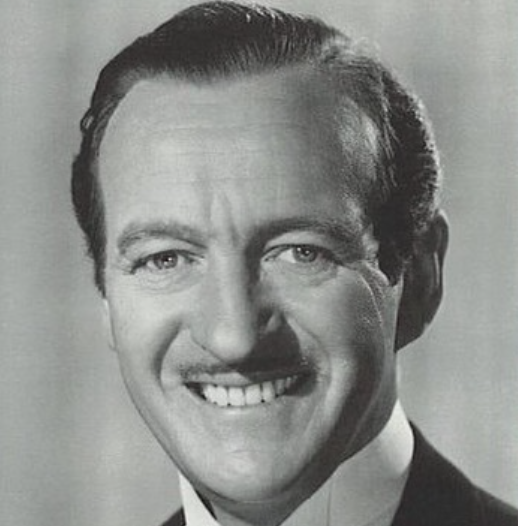
James David Graham Niven was born on March 1, 1910, in London, in the Pimlico/Belgravia area. He was the youngest of four children born to William Edward Graham Niven and his wife, Henrietta Julia. The Nivens were a prosperous upper-middle-class family: on David’s birth certificate, William Niven is listed as a “landed proprietor,” and he later served as a British Army officer.
David’s father volunteered for service in World War I and was killed in action during the Gallipoli campaign on August 21, 1915, leaving David fatherless at the age of five. His mother, Henrietta, remarried in 1917 to Sir Thomas Comyn-Platt, a career diplomat and former Member of Parliament, further placing young David in a socially prominent, service-oriented environment.
Niven’s early childhood combined privilege with disruption. He was a spirited, sometimes unruly pupil. He attended a private preparatory school in England, often identified as Heatherdown School in Ascot, from which he was expelled for disciplinary reasons. He then studied at the newly founded Stowe School in Buckinghamshire. In 1928, at the age of 18, Niven entered the Royal Military College at Sandhurst, following the family tradition of military service.
Also Read: Adam Pearson Net Worth
| Fact Category | Details |
|---|---|
| Full Name | James David Graham Niven |
| Date of Birth | March 1, 1910 |
| Place of Birth | London, England (Pimlico/Belgravia area) |
| Date of Death | July 29, 1983 |
| Nationality | British |
| Profession | Actor, Author, Former Army Officer |
| Education | Royal Military College, Sandhurst |
| Military Service | British Army officer; served in WWII, rose to Lieutenant-Colonel |
| Notable War Role | Member of GHQ Liaison Regiment (“Phantom”) in special operations |
| Breakthrough in Hollywood | Signed by producer Samuel Goldwyn in the 1930s |
| Major Film Success | Around the World in 80 Days (1956) – Academy Award for Best Picture |
| Academy Award | Won Best Actor for Separate Tables (1958) |
| Famous Film Roles | The Pink Panther, Wuthering Heights, The Bishop’s Wife |
| Writing Career | Bestselling memoirs: The Moon’s a Balloon and Bring on the Empty Horses |
| Public Persona | Known for his charm, wit, and “quintessential English gentleman” image |
| David Niven Net Worth | Not publicly disclosed; earnings came from films, books, and endorsements |
| Income Sources | Acting contracts, royalties from books, television appearances |
| Unique Achievement | Only Best Actor Oscar winner to host the Academy Awards ceremony |
| Wartime Recognition | Awarded the U.S. Legion of Merit for service contributions |
| Legacy | Remembered as both a leading man and a respected storyteller in film and literature |
Samuel Goldwyn contract and studio-era breakthrough
After years of odd jobs and bit parts, Niven finally broke into Hollywood when producer Sam Goldwyn saw him in screen tests and signed him to a long-term contract in the mid-1930s. Goldwyn required him to gain experience in small roles first, and Niven spent the late 1930s working steadily within the studio system.
He appeared in modest parts, including a Cockney sailor in The Barbary Coast (1935) and a kindly officer in The Charge of the Light Brigade (1936). Within a few years, he had moved into more prominent supporting roles, portraying characters such as Captain Clyde Lockert in Dodsworth (1936) and Fritz von Tarlenheim in The Prisoner of Zenda (1937).
By 193839, he was co-starring in major films, including The Dawn Patrol (1938) alongside Errol Flynn, Bachelor Mother (1939) opposite Ginger Rogers, and Wuthering Heights (1939), in which he played Edgar Linton. These roles cemented Niven’s reputation as an urbane, gentlemanly leading man during Hollywood’s golden age.
Also Read: John Ashton net worth
Wartime Return to Britain and Commando Service
When World War II began, Niven made the unusual decision, for a leading Hollywood actor, to resume his military career. He returned to Britain in late 1939, rejoined the British Army as an officer in the Rifle Brigade, and soon transferred to the newly formed Commandos.
Assigned to the GHQ Liaison Regiment, nicknamed “Phantom,” Niven took part in special reconnaissance and communications missions in support of Allied operations. He rose through the ranks during the war, ultimately reaching lieutenant-colonel.
He saw active service in Northwest Europe during and after the Normandy invasion in 1944. Even while serving, he contributed to wartime morale and propaganda, appearing in films such as The First of the Few (1942) and The Way Ahead (1944), which portrayed the valor of British airmen and infantry.
For his distinguished wartime service, including establishing the BBC Allied Expeditionary Forces broadcasting program, he was later awarded high honors, including the American Legion of Merit, presented by General Eisenhower.


Kevin Kennedy’s net worth remains private in 2026, with no officially verified figure from major financial authorities. His income comes from acting and music. His acting career includes his long-running role on ITV’s Coronation Street from 1983 to 2003, as well as stage musical roles in productions such as We Will Rock You and Rock of Ages. He has also maintained a music career as a singer-guitarist, both as a solo artist and in bands. Specific earnings from these sources, including salaries or royalties, have not been publicly disclosed.
Paris Valentinos: Early Band with Johnny Marr
Before his screen career, Kevin Kennedy was active in Manchester’s music scene. As a teenager in Wythenshawe, he played guitar in a local band called the Paris Valentinos, alongside future Smiths members Johnny Marr on guitar and Andy Rourke on bass. The band performed at Manchester events and youth venues, giving Kennedy his first stage experience.
View this post on Instagram
Aslo Read: Joss Ackland Net Worth
Coronation Street: Two Decades as Curly Watts
Kennedy is best known for playing Norman “Curly” Watts on ITV’s Coronation Street. He joined the cast in 1983 and remained a regular character until 2003. Over those 20 years, Curly Watts developed from a paperboy into a supermarket assistant manager, making Kennedy one of the show’s long-running and popular supporting actors. His time on Coronation Street spanned thousands of episodes, and by the time Curly was written out in 2003, the character was known for his earnest charm and romantic misadventures on the cobbled streets.
The Bunch of Thieves: Country Rock Band and Bulldog Nation
While still appearing on Coronation Street, Kennedy pursued a parallel music career. He formed the rock band The Bunch of Thieves and led it as frontman. In 2000, the group released the single “Bulldog Nation” on RCA Records, which briefly charted and reached No. 70 on the UK Official Singles Chart.
Kennedy later recorded an album titled Present Kennedy. In interviews, he said he toured with the band in countries including New Zealand and Australia, and that Present Kennedy sold strongly overseas. The album achieved gold-status sales in New Zealand, marking an international success in his music career.
Spanish Capers: Writing and Producing a TV Travelogue
After leaving Coronation Street, Kennedy moved into television production. In 2005, he created and presented Kevin’s Spanish Capers, a travelogue series filmed in Andalusia, Spain. He wrote, presented and produced the first series, which was shot in Malaga and other locations. Sky Television aired the original run in 2005, and Kennedy later filmed a second series in 2006–2007. The show focused on Spanish culture and scenery and marked his move into production work behind the camera.
View this post on Instagram
Aslo Read: Jeff Stewart Net Worth
Stage Musicals: We Will Rock You and Rock of Ages
Kennedy has built a long musical theatre résumé. He played Pop in Queen and Ben Elton’s rock musical We Will Rock You, performing the role in the UK touring production circa 2009–2010 before joining the West End cast at London’s Dominion Theatre in September 2010.
He also played Dennis Dupree in the jukebox musical Rock of Ages. Kennedy first took on the role during the UK tour in 2018 and later returned to the same part for the 2023 farewell tour. His West End credits also include Amos in Chicago at the Adelphi Theatre, along with other stage roles and national tours of The Rocky Horror Show, The Commitments and Fat Friends. These roles expanded his work as a singer and actor beyond television.
Later Television Roles and Cameo Appearances
Kennedy continued working in television after Coronation Street, with guest roles in British dramas and comedies during the 2000s and 2010s. He appeared in supporting parts in the BBC crime drama Blue Murder and the daytime soap Doctors. In 2017, he had a guest-starring role on the BBC medical series Holby City, playing a David Bowie tribute singer. In December 2019, he made a cameo appearance in the Irish comedy Mrs Brown’s Boys, playing an angel in the Christmas special.
Aslo Read: Jason Patric Net Worth
FAQs
What is Kevin Kennedy’s real name?
Kevin Kennedy was born Kevin Patrick Williams and uses Kevin Kennedy professionally.
Where did Kevin Kennedy train as an actor?
Kevin Kennedy trained at Manchester Polytechnic’s School of Theatre before building his television and stage career.
What was Kevin Kennedy’s professional acting debut?
Kevin Kennedy made his professional acting debut at Greenwich Theatre in 1982.
Has Kevin Kennedy written a book?
Yes. Kevin Kennedy wrote The Street to Recovery, an autobiography about his life, recovery, work on Coronation Street, and music career.
Is Kevin Kennedy involved in work outside entertainment?
Yes. Kevin Kennedy is linked to Kennedy Street Recovery, a Brighton-based charity focused on addiction recovery support.
Has Kevin Kennedy continued performing in recent years?
Yes. His later work includes stage projects such as Punk Off – The Sounds of Punk and New Wave.
Aslo Read: Jack Quaid Net Worth
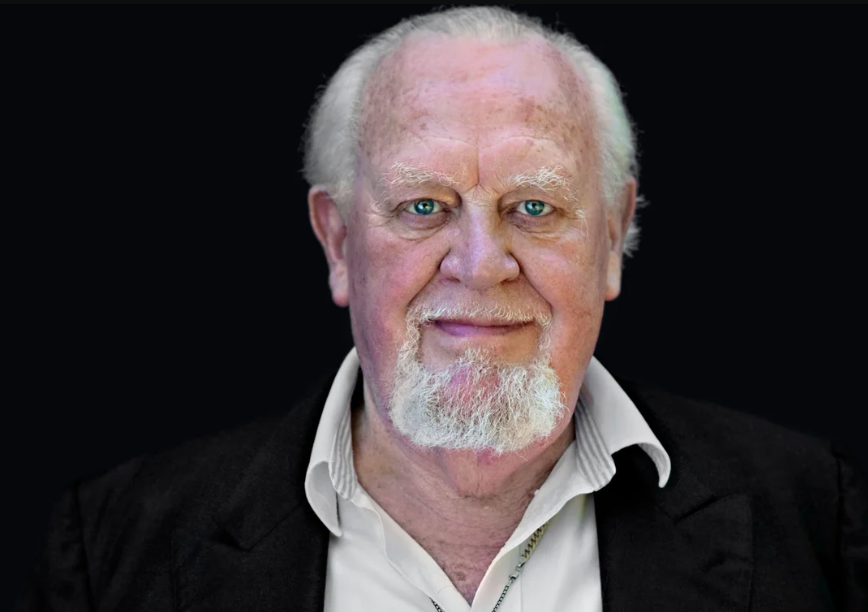
At the time of Joss Ackland’s death, his net worth had not been publicly disclosed, and no figure had been officially verified by major financial authorities. He earned income from his decades-long acting career on stage and screen, including more than 100 films and numerous television plays and series, as well as from voice-over work, audiobook narration and royalties from his published books.
More Than 130 Credits Show Career Scale
Ackland’s large body of work supported his long-term earning potential. He took on more than 130 film, radio, and television roles during his career. The British Film Institute lists more than 200 film and television appearances between 1949 and 2014, while The Guardian noted that he appeared in more than 100 films. His credits spanned decades of professional acting across several entertainment sectors, with each role contributing to a career that lasted more than six decades.
View this post on Instagram
Also Read: Zach Galifianakis Net Worth
Estate Context After a Six-Decade Acting Career
One significant asset linked to Ackland’s later years was The Old Rectory in Clovelly, North Devon. Ackland and his wife purchased the property in 1989, after a period that included prominent film appearances in The Sicilian, White Mischief, and Lethal Weapon 2.
After Ackland’s death in November 2023 at age 95, his family placed the property on the market. Country Life reported that the Georgian rectory was listed for sale at £1.4 million. Beyond this property, no verified records have identified substantial business holdings, company ownership interests, or other major assets connected to Ackland’s estate.
Old Vic Training and Repertory Stage Foundations
Joss Ackland trained at London’s Central School of Speech and Drama and made his stage debut at age 17. His first West End appearance came in The Hasty Heart at the Aldwych Theatre in 1945. He then spent years working in repertory companies in Croydon, Wimbledon, Chesterfield, Coventry, and other locations, building his craft and range across different roles.
By the late 1950s, Ackland had joined the Old Vic ensemble, where he performed Shakespearean roles including Sir Toby Belch in Twelfth Night, Caliban in The Tempest, and Sir John Falstaff and Pistol in The Merry Wives of Windsor. These classical stage roles helped shape the early foundation of his career. In the 1960s, he also worked at London’s Mermaid Theatre as both an actor and associate director, appearing in productions such as the popular musical Jorrocks in 1966. Across these early decades, Ackland built a reputation as a dependable character actor with strong theatrical training.
Tinker Tailor Soldier Spy and Prestige Ensemble Work
Ackland appeared in several high-profile ensemble productions. In the acclaimed BBC miniseries Tinker Tailor Soldier Spy (1979), he portrayed Jerry Westerby, a globe-trotting journalist and spy. Acting opposite Alec Guinness’s George Smiley, he brought energy and wit to the pivotal role, earning praise for “filling the screen with his gusto and enthusiasm.”
He also played Jock Delves Broughton in Michael Radford’s White Mischief (1987), a performance that brought him industry recognition, and portrayed the wartime intellectual C.S. Lewis in the television film Shadowlands (1988). His earlier television work included literary adaptations such as Great Expectations. Tinker Tailor Soldier Spy and White Mischief strengthened his standing in prestige ensemble productions and showed his range as a supporting actor.
Also Read: Julian Ovenden Net Worth
Lethal Weapon 2 and Hollywood Villain Casting
Ackland’s international profile grew through American film roles, where he was often cast as a cultured antagonist. In Lethal Weapon 2 (1989), he played Arjen “Aryan” Rudd, a smooth-talking South African drug cartel boss. The role introduced him to U.S. audiences and strengthened his reputation for suave villains.
He later played other flamboyant antagonists in Hollywood, including the deranged Evil Bill in Bill & Ted’s Bogus Journey (1991) and the unscrupulous banker Hans in Disney’s The Mighty Ducks (1992). He also appeared in major studio thrillers, including as the elderly Soviet ambassador Andrei Lysenko in The Hunt for Red October (1990), bringing gravitas to a smaller role. His imposing presence and distinctive voice helped shape his Hollywood casting and gave him recognition far beyond Britain.
Radio Drama Work Built Around His Resonant Voice
Alongside his stage and screen career, Ackland built a substantial body of work in radio and audio performance. His rich, resonant voice suited narration, literary adaptations, and dramatic readings. In BBC Radio 4’s adaptation of Les Misérables (2001), he portrayed Victor Hugo.
He also narrated numerous audiobooks and radio productions, including a recording of Joseph Conrad’s Heart of Darkness, and appeared on anthology and reading programs. His clear diction and commanding vocal style made him one of Britain’s most recognizable voice performers, extending his work beyond traditional screen and stage roles.
Also Read: Robert Englund Net Worth
FAQs
What formal honour did Joss Ackland receive?
Joss Ackland received a CBE for services to drama in 2001. The honour recognised his long contribution to British stage and screen.
Was Joss Ackland ever nominated for a BAFTA?
Yes. He received BAFTA recognition for White Mischief, and First and Last brought him a second BAFTA nomination.
What was Joss Ackland’s final screen appearance?
Joss Ackland’s final screen appearance was as Rufus in Decline of an Empire in 2014. He retired after that film.
Did Joss Ackland work in West End musicals?
Yes. He played Fredrik Egerman in A Little Night Music and later appeared as Juan Perón in Evita.
Which book adds context to Joss Ackland’s published work?
My Better Half and Me includes Rosemary Ackland’s diaries and Joss Ackland’s commentary. It adds context to his work beyond acting.
Did Joss Ackland do voice work for video games?
Yes. He voiced Eckhardt in the 2003 game Lara Croft: Tomb Raider – The Angel of Darkness.
Also Read: Vinnie Jones Net Worth

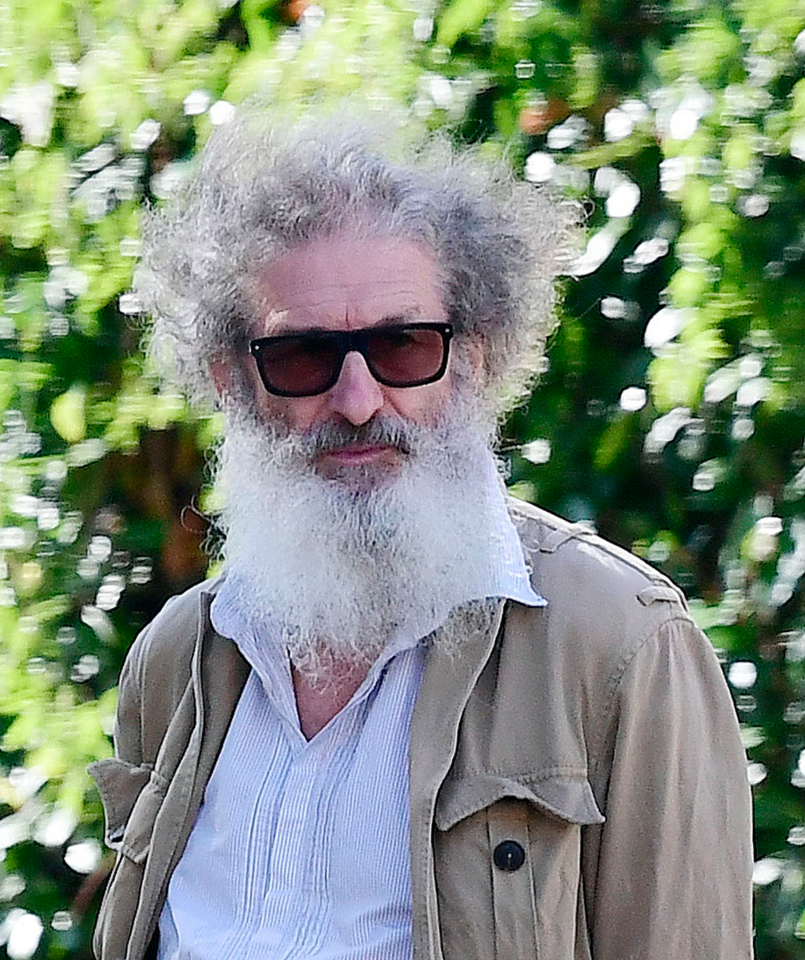
Jeff Stewart’s net worth remains private, with no officially verified figure available as of 2026. His income came from his acting career: he portrayed PC Reg Hollis on ITV’s The Bill from 1984 to 2008 and appeared in other television and film productions, including the films Dead Man Running in 2009 and Under Jakob’s Ladder in 2011. Specific earnings from these acting roles have not been publicly disclosed.
Jeff Stewart’s ITV Acting Work as a Wealth Baseline
Jeff Stewart is best known for his work on ITV’s The Bill, where he played PC Reg Hollis for 24 years. Produced by Thames Television/Fremantle for ITV, the police drama dominated his acting career.
Outside The Bill, no major ITV roles for Stewart are documented in mainstream sources. Minor early television appearances, including one-off parts in series such as Doctor Who and Crossroads, are noted informally, but they had a negligible impact on his long-term earnings.
Read Also: Julian Ovenden Net Worth
Repeat Fees From The Bill: What Can Be Verified
Actors receive residual fees when shows are re-aired, and UK union agreements set minimum repeat payments. The Equity/PACT 2024 agreement lists a “peak repeat payment” of £117.00 at the 2023 rate for a prime-time rerun of an episode.
Daytime off-peak repeats pay a minimum of £58.00, while night-time off-peak repeats pay £29.50. Stewart’s appearances on The Bill would entitle him to these repeat fees whenever the show is rebroadcast.
These figures are statutory minimums, and the actual repeat fee could be higher under contract. However, the only published repeat-fee numbers that can be verified are these Equity floor rates, as no individualized royalty reports for Stewart are publicly available.
Acting Union Rates Relevant to Long ITV Drama Work
Industry-wide union minimums help frame what Stewart’s work on The Bill might have paid. The 2023–26 TV agreement sets the initial “UK Television Engagement fee” at £557 and the basic production-day rate at £61.50, rising to £596 and £66.00 in 2024, respectively.
These rates cover a cast member’s first week on a UK series. Under the same agreement, a multi-episode regular under Category B had a £156 daily rate in 2023, as noted above. Enhanced pay scales also apply for overtime, holidays, and secondary payments.
As a long-tenured principal on The Bill, Stewart would have been paid under those agreements. Without his actual contract, these Equity rates represent only the legal minimums and are likely below what a lead actor on a hit ITV drama would negotiate. Even so, they show the base pay structure for long-term work of this kind.
Read Also: Joseph Gordon-Levitt Net Worth
Early Television Roles on Crossroads and Doctor Who
Jeff Stewart’s early television work included roles in popular British drama series during the 1980s. In 1981, he appeared in the long-running ITV soap Crossroads as Harry Fellows.
The following year, he guest-starred in the BBC sci-fi series Doctor Who, playing Dukkha in the 1982 story “Kinda.” Soon after, he took small parts in other series, including a role as a police constable in Hi-de-Hi! in 1983, before landing his signature role.
Award-Winning Performance in Under Jakob’s Ladder
Stewart’s career also included notable film work. In 2011, he played the title role in Under Jakob’s Ladder, an independent period drama produced by CubeCity Entertainment.
Set in Stalin-era Russia, the film follows Jakob, a German-Russian railroad worker imprisoned for his faith. Stewart’s portrayal of Jakob Seel won him the Best Actor prize at the 2011 Manhattan Film Festival.
CubeCity producer Roberto Muñoz praised Stewart’s work while announcing the award, describing him as “one of the most gifted actors on the scene today.” Under Jakob’s Ladder also won the festival’s Best Film Period Piece award.
Film Roles in Lake Placid: The Final Chapter and The Road Dance
Stewart has also taken on a range of supporting film roles. He appeared in the made-for-TV horror film Lake Placid: The Final Chapter (2012), part of the Syfy franchise, playing Deputy Nermal.
More recently, he co-starred in the period drama The Road Dance (2022), set on a Scottish island during World War I. In the film, Stewart played “Skipper,” a hermit-like villager who becomes involved in the story’s events.
In recent years, Stewart has also moved into behind-the-camera work, co-writing and directing the crime drama Saint Michael of the City (2024), a thriller set in an American mob context and his debut as a filmmaker.
Read Also: John Ashton Net Worth
FAQs
Did Jeff Stewart continue acting after The Bill?
Yes. After The Bill, Stewart appeared in films including Dead Man Running, Under Jakob’s Ladder, Lake Placid: The Final Chapter, and The Road Dance.
Did Jeff Stewart win any major acting recognition?
Yes. He won Best Actor at the 2011 Manhattan Film Festival for his performance in Under Jakob’s Ladder.
Can Jeff Stewart’s repeat fees from The Bill be calculated exactly?
No. UK union rates outline minimum repeat-fee structures, but Stewart’s individual contract and actual residual payments have not been made public.
Has Jeff Stewart worked behind the camera?
Yes. Stewart co-wrote and directed Saint Michael of the City, marking his move into filmmaking.
Read Also: Joe Absolom Net Worth
-
 Entrepreneur6 months ago
Carl Hartley Net Worth & Career Inside the Supercar Empire
-
 Influencers6 months ago
Shammi Net Worth: What Powers His Brand in 2026
-
 Entrepreneur6 months ago
Tom Hartley Jnr and the Business Behind the Name
-
 Businessman6 months ago
Robin Stanton-Gleaves: Career, Club, and Companies
-

 Twitch Streamers4 months ago
Emiru Net Worth 2026: How She Earns as a Creator
-
 Singers5 months ago
Mary Hopkin’s Career, Earnings, and Net Worth 2026
-

 Entrepreneur6 months ago
Who is Vinh Giang and what is his estimated net worth?
-
 Rappers4 months ago
Clavish Net Worth 2026 Earnings, Music, and Success