
Businessman
Robert Platek Net Worth in 2026: Facts Over Estimates

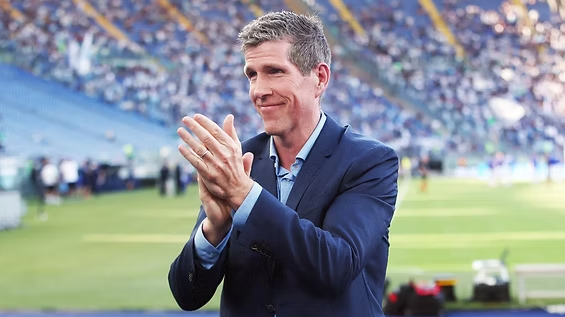
Robert Platek’s net worth remains private as of 2026, with no officially verified public figure available. He derives income from his finance and investment roles: he co-founded private funds Plymouth Partners LP and Griffin Partners, and currently serves as Chief Executive Officer and Chairman of MSD Investment Corp as well as a Partner and Global Head of Credit at BDT & MSD Partners.
These executive positions, together with returns on his private investments, including equity stakes in European football clubs Spezia Calcio and Casa Pia, constitute his income sources. Specific compensation or earnings figures for any of these roles and investments have not been publicly disclosed.
| Fact | Details |
|---|---|
| Full Name | Robert Platek |
| Nationality | American |
| Education | B.S., Rutgers University (1986) |
| Profession | Financial executive and credit investor |
| Current Role | Chairman of Global Credit, BDT & MSD |
| Previous Role | Global Head of Credit, MSD Partners |
| Company | BDT & MSD Partners |
| Career Start | Chase Manhattan Bank analyst |
| Early Specialization | Debt restructuring and credit analysis |
| Market Experience | High-yield trading at Citicorp Securities |
| Hedge Fund Activity | Founder of Griffin Partners |
| Investment Focus | Private credit and distressed debt |
| Major Fund | $825M Special Investments Fund (2020) |
| Sports Investments | Spezia, Casa Pia, SønderjyskE, Cracovia |
| Robert Platek Net Worth | Not publicly disclosed (2026) |
BDT & MSD Credit Role Behind Robert Platek’s Wealth
Robert Platek serves as Global Head of Credit at BDT & MSD Partners, where he co-leads the firm’s credit funds and portfolios. Under his leadership, the firm’s credit platform has grown to deploy billions of dollars.
BDT & MSD has reported that its credit team invested more than $20 billion across private credit, public credit, and real estate opportunities over the past decade. Platek has worked with the MSD investment affiliate since 2002 and became a partner in 2006, giving him an equity stake tied to the performance of its large credit funds.
His more than two decades at the firm and leadership of its credit operation indicate participation in the profits and fees generated by those credit portfolios.
Also Read: Robin Stanton-Gleaves Net Worth
Credit Portfolio Work Linked to Platek’s Finance Career
Platek’s finance career has centered on credit and high-yield portfolio management. He began in the early 1990s on the trading desks of major banks, including Citicorp and Chase, where he ran high-yield and distressed debt books.
In the mid-1990s, he founded Griffin Partners and Plymouth Partners, two hedge funds focused on distressed bonds and restructured equity. He later became portfolio manager for PaineWebber’s proprietary high-yield fund, adding further experience in credit markets.
In 2002, he joined MSD Partners, now BDT & MSD, where he co-managed its Special Opportunities fund before becoming a partner in 2006. His record includes building and leading credit-focused investment vehicles, although specific performance figures remain private.
European Football Club Investments Linked to Platek
Alongside his finance career, Platek has made private investments in European football clubs. In February 2021, the Platek family acquired Spezia Calcio, which was then competing in Italy’s Serie A.
The acquisition was publicly announced, but the purchase price and financing structure were not disclosed. Platek also became the owner of Casa Pia AC, a Portuguese football club competing in the Primeira Liga.
Sky Sports and The Guardian identified him as the owner of Casa Pia and the former owner of both Spezia and Danish club SønderjyskE. He was also reported to have explored acquiring Reading FC in England, although no completed transaction was publicly announced.
Private Sports Ownership Stakes Linked to Platek
Platek’s football club investments were private family transactions, not investments made through BDT & MSD Partners. Official statements issued during the Spezia acquisition said the transaction was a personal investment by the Platek family and was not affiliated with MSD Capital or related investment entities.
Public filings connected to the clubs do not disclose detailed ownership percentages, financing arrangements, or investment structures. No verified evidence shows that BDT & MSD Partners directly held ownership stakes in those football organizations.
Also Read: Andrew Tinkler Net Worth
Credit Markets Expertise Behind Platek’s Wealth Profile
Platek’s professional reputation is closely tied to structured credit, distressed investing, and high-yield lending. During the COVID-19 period, MSD became a significant lender to several English football clubs.
Public reporting stated that the firm extended secured loans worth tens of millions of pounds to clubs including Southampton, Burnley, and West Bromwich Albion. Some of those financing agreements reportedly included stadium-related security protections tied to repayment terms.
The transactions aligned with the structured credit strategies central to Platek’s area of expertise. Public filings linked to MSD Investment Corp. also show the firm overseeing a multi-billion-dollar loan portfolio concentrated heavily in senior secured lending strategies.
Club Investment Records Behind Platek’s Public Finances
Platek’s sports investments are documented mainly through official club announcements and established media reporting, rather than detailed financial disclosures. Spezia Calcio confirmed its acquisition by the Platek family but did not release the transaction value. SEC filings connected to MSD Investment Corp. provide one of the few publicly documented financial interests tied directly to Platek.
Proxy statements disclosed that he beneficially owned more than $100,000 worth of shares in the publicly traded investment company. Beyond those filings, no verified public disclosures detail the valuation of his football investments, ownership profits, or personal returns from those clubs.
FAQs
What is BDT & MSD Partners?
BDT & MSD Partners is a merchant bank that provides advisory services, capital, and investment solutions. It was formed in 2023 through the combination of BDT & Company and MSD Partners.
How is MSD Investment Corp different from BDT & MSD Partners?
MSD Investment Corp is a separate investment company with public SEC filings. BDT & MSD Partners is the merchant bank where Robert Platek holds a senior credit role, while SEC filings list him as Chief Executive Officer, President, and Chairman of the Board of MSD Investment Corp.
What does private credit mean in Robert Platek’s field?
Private credit refers to debt investments made outside public bond markets, often through non-bank lenders or private funds. It is relevant to Platek’s career because his public profile is closely tied to credit funds and lending strategies.
Did Robert Platek complete a takeover of Reading FC?
No completed takeover of Reading FC by Robert Platek was publicly confirmed. Reading later announced that Redwood Holdings Limited completed its takeover of the club in May 2025.
What is Robert Platek’s verified connection to Cracovia?
Robert Platek became the majority shareholder of KS Cracovia S.A. in 2025 through a company he controlled. Comarch stated that Elżbieta Filipiak would hold a minority stake, while Comarch would remain involved as a sponsor.


Martin Thatcher’s net worth remains private, and no figure has been officially verified by major financial authorities as of 2026. Thatcher serves as managing director and chairman of the family-owned Thatchers Cider Company, which is his source of income. The company reported paying £7 million in dividends in 2023, but Thatcher’s own salary and dividend receipts have not been made public. No other personal income sources are documented.
Transforming Thatchers into a National and Global Cider Brand
In 1992, Martin Thatcher took over the running of Thatchers Cider from his father, John Thatcher. He refocused the business on cider production and invested in capacity and modern techniques.
The company expanded sharply under his leadership. A small farm producer that once made roughly half a million litres of cider a year with six staff grew into a cider producer making more than 100 million litres and exporting to over 20 countries. Its workforce grew to around 250 employees, and the company established an apprenticeship scheme.
Martin credits the growth to a balance between respecting the company’s fourth-generation heritage and introducing carefully chosen innovations. He has often said he “soaked up expertise” from his forebears before bringing in new technology and processes, helping Thatchers’ ciders reach an international market.
The company has continued to scale up planting, with plans to add 1,000 more acres of apple and pear trees, while upgrading production. That expansion has moved Thatchers from a regional farm cider maker to a national success story.
View this post on Instagram
Also Read: Robin Stanton Gleaves Net Worth
Martin Thatcher’s Thatchers Cider Revenue Hit £155.5M
In the fiscal year ending 31 August 2022, Thatchers Cider reported record sales revenue. The company’s accounts show turnover of £155.5 million for 2022, up from £126.2 million the previous year. The Somerset-based family firm recorded strong growth under its current management.
Thatchers Cider Reported £16.8M Pre-Tax Profit
Thatchers Cider’s profitability also increased in 2022. Annual accounts for that year recorded pre-tax profit of £16.8 million, compared with £14.2 million the previous year. The rise in operating profit came alongside the company’s surge in sales in FY2022.
Thatchers Cider Invested £26M in Major Upgrades
In FY2022, Thatchers significantly increased capital expenditure on its facilities. Company filings detail £12 million invested in upgrading the cider production plant and £14 million committed to an automated warehouse system, bringing total spending on production and logistics upgrades to £26 million. The investment, disclosed through a regulatory statement on the London Stock Exchange, was aimed at expanding capacity and efficiency under managing director Martin Thatcher’s leadership.
Thatchers Cider Signed a Global Export Deal
In March 2022, Thatchers Cider, then led by fourth-generation managing director Martin Thatcher, signed a multi-million-pound exclusive export partnership with Sovereign Beverage Company. The deal gave Sovereign, a Blackburn-based drinks distributor, sole global distribution rights for Thatchers’ international portfolio. Sovereign now handles Thatchers Cider’s exports worldwide, expanding the brand’s presence in markets including North and South America, where Thatchers previously had no formal distribution.
View this post on Instagram
Also Read: Robert Platek Net Worth
Innovating New Cider Varieties to Attract Younger Drinkers
To keep the brand fresh and appeal to younger consumers, Martin Thatcher has overseen the launch of cider recipes aimed at millennials and Gen Z drinkers. In 2015, Thatchers introduced Thatchers Red (4% ABV) and Somerset Haze (4.5% ABV), both designed with younger drinkers in mind.
Martin said Somerset Haze was “aimed at plugging the gap in the 18 to 34-year-old market” for a sweeter, lower-alcohol cloudy cider. The launches gave the brand a modern take on traditional styles, combining familiar Somerset apples with a fashionable cloudy appearance.
More recently, the company launched Thatchers Juicy Apple (4% ABV) in a brightly branded bottle. Thatchers marketed Juicy Apple with an eco-friendly message and a “fresh flavour profile,” highlighting its vibrant look and sustainability credentials for “younger, sustainability-minded consumers.”
Under Martin’s guidance, these new recipes, from fruit-infused variants to modern takes on old favourites, have helped the brand reach a new generation of cider enthusiasts.
High-Profile Marketing Campaigns and Glastonbury Sponsorship
Martin Thatcher has also led major marketing and sponsorship initiatives to raise the brand’s profile. He often appears in Thatchers’ advertising and campaigns, reinforcing the cider business’s family-owned identity and local roots.
In recent years, the company collaborated with Aardman Animations on TV commercials for products such as Juicy Apple, blending whimsical animation with scenes from the Somerset farm. The ads resonated strongly with consumers. Marketing research noted that the 2023 Aardman-backed Juicy Apple ad earned a rare 5-star effectiveness rating, signalling exceptional impact.
Beyond TV advertising, Martin led Thatchers into a major sponsorship deal with Glastonbury Festival. Beginning in 2014, Thatchers Gold became the official cider of Glastonbury for three years, with a special Craft Cider Bar offering Thatchers Traditional and Heritage ciders on tap.
Announcing the partnership, Martin said Glastonbury’s reputation was “phenomenal” and called the deal “an outstanding opportunity to bring the very best authentic Somerset cider to Worthy Farm.” The association with a world-famous festival and other regional events strengthened Thatchers’ national brand presence under his leadership.
Thatchers Cider Sales Passed £200M in FY2024
Thatchers’ sales continued to set records in the mid-2020s. For the 12 months to 31 August 2024, Thatchers reported sales of £203.9 million, the first time the business had exceeded £200 million in revenue. The following year’s results, to August 2025, showed that turnover rose further to £214.1 million. These milestones reflect steady compound growth over several years, with Thatchers more than doubling its sales since 2018.
Myrtle Farm’s Ribena Blackcurrant Partnership
Thatchers’ Myrtle Farm site also plays a key role in the UK blackcurrant supply chain. Ribena’s owner, Suntory, reports that about 10,000 tonnes of British blackcurrants, roughly 90% of the UK’s crop, are produced annually for Ribena juice. All of these berries are delivered to Thatchers’ Somerset facility for processing, typically within 24 hours of harvest.
Thatchers confirms that “all the blackcurrants grown by Ribena’s growers in the UK are pressed at Myrtle Farm” each season. This long-term contract, in place for many years, ties Thatchers’ orchard operations directly to a major juice brand.
Also Read: Andrew Tinkler Net Worth
Thatchers Cider’s 500-Acre Myrtle Farm Estate
Thatchers maintains an extensive owned orchard estate to supply its ciders. Industry reports highlight that the Myrtle Farm estate comprises roughly 500 acres of apple orchards. These orchards, planted with cider apple varieties such as Katy, GoldRush, and Red Windsor, produce the raw fruit Thatchers needs for its growing product range.
The large scale of Myrtle Farm’s orchards is a tangible asset of the business. In one recent year, the company’s soil and trees sequestered thousands of tonnes of CO₂ while producing hundreds of tonnes of apples annually.
FAQs
Is Martin Thatcher listed as a director in UK company records?
Yes. Companies House lists Martin Thatcher as an active director of Thatchers Cider Company Limited, with his appointment recorded before 1 January 1993.
Does Martin Thatcher hold any wider industry role?
Yes. Martin Thatcher is Chair of the National Association of Cider Makers and managing director of Thatchers Cider.
Is Martin Thatcher connected to the Portman Group?
Yes. The Portman Group lists Martin Thatcher as a team member and identifies him as Managing Director of Thatchers Cider.
Has Martin Thatcher received an industry award?
Yes. Martin Thatcher received the Royal Bath and West Society’s Special Award for Outstanding Services to the Cider Industry in 2022.
Is Martin Thatcher involved in the Thatchers Foundation?
Yes. The Charity Commission lists Martin Thatcher as Chair of the Thatchers Foundation, with his trustee appointment dated 20 January 2015.
Is Martin Thatcher linked to Thatchers Railway Inn?
Yes. Companies House lists Martin Thatcher as an active director of Thatchers Railway Inn Limited, appointed on 12 February 2016.

Andrew Tinkler was born in July 1963 in Cumbria, England. He grew up in the Cumbrian market town of Kirkby Stephen, where his father worked as an electrician. He attended Kirkby Stephen Grammar School and left at the age of 16 with only two qualifications, one of which was in cookery. He has described himself as a “normal northern guy,” reflecting his rural Cumbrian roots. In 2012, he also noted that he has remained in contact with many of his former school friends from Kirkby Stephen.
| Fact Category | Details |
|---|---|
| Full Name | Andrew Tinkler |
| Date of Birth | July 1963 |
| Birthplace | Cumbria, England |
| Education | Left school at 16 with two qualifications (including cookery) |
| Early Career | Worked manual jobs, including washing and painting trucks at Eddie Stobart |
| First Business | Founded WA Tinkler (building and joinery firm) in 1987 |
| Company Growth | Expanded into WA Developments, reaching ~£21 million turnover |
| Key Partnership | Partnered with William Stobart in 2003 (27% stake acquisition) |
| Major Breakthrough | Led acquisition of Eddie Stobart haulage business in 2004 |
| Public Company Role | Founding CEO of Stobart Group plc (2007–2017) |
| Business Expansion | Diversified into rail, ports, aviation, and infrastructure sectors |
| Major Assets | Acquired Southend Airport (2008) and Carlisle Airport (2009) |
| Leadership Achievement | Grew Stobart Group to FTSE 250 with ~£1 billion valuation |
| Legal Outcome | Lost legal case in 2019; dismissal upheld through final appeal in 2023 |
| Current Role | Investor and founding director of Svella plc (business turnaround firm) |
| Net Worth (2026) | Not publicly disclosed; wealth linked to investments in infrastructure, construction, and logistics ventures |
Early Career in Construction and Business Foundations
Andrew Tinkler left formal education at 16 and began working manual jobs, including washing and painting trucks for Eddie Stobart, before starting his own business. In 1987 he established WA Tinkler, a building and joinery firm in Cumbria. He quickly turned small contracts into larger projects – one early care-home renovation he took on with friends grew into a £400,000 job. Tinkler’s hands-on growth strategy for WA Tinkler set the stage for future expansions into bigger infrastructure projects.
How Andrew Tinkler Built His First Company (WA Developments)
Tinkler expanded WA Tinkler into an engineering and construction firm serving the UK rail network. The company was rebranded WA Developments as it grew rapidly, securing major civil engineering contracts and achieving about £21 million in annual turnover.
The privatisation of Britain’s railways in the 1990s created opportunities: WA Developments began winning track and bridge maintenance contracts, including rebuilding a bridge after a rail crash.
Tinkler’s success caught the eye of William Stobart, who invested in the business. In 2003 William Stobart bought a 27% stake in WA Developments and joined forces with Tinkler, making their partnership the foundation for moving into larger logistics ventures.
Entry Into the Stobart Group and Business Expansion
In 2004, WA Developments led by Andrew Tinkler and William Stobart acquired the Eddie Stobart haulage business, rescuing it from losses and restoring profitability in under a year.
This deal positioned Tinkler as chief executive of the combined firm. Four years later, in 2007, he engineered a reverse takeover of Westbury Property Fund to create Stobart Group plc and list it on the London Stock Exchange.
As part of that transaction Tinkler officially became the founding CEO of the newly quoted Stobart Group. Under his leadership the company immediately began expanding from its road-haulage roots into rail, ports and property. Tinkler guided Stobart Group’s early strategy of integrating road, rail and ports under one roof.
Andrew Tinkler’s Role as CEO of Stobart Group
As CEO from 2007 to 2017, Tinkler led Stobart Group through rapid diversification. He oversaw major acquisitions in logistics and transport, including rail-services provider O’Connor Group, haulage company James Irlam & Sons, and the chilled-distribution arm of Innovate Logistics.
In the aviation and infrastructure sector he acquired two regional airports, Southend in 2008 and Carlisle in 2009, integrating them into the Group’s network. Tinkler described the Southend project as “another core step in our multi-modal offering,” explaining that an airport could complement Stobart’s road, rail and sea businesses.
By 2010 Stobart Group employed around 5,500 people and operated a fleet of nearly 1,850 trucks. Under Tinkler’s direction the group also entered new lines such as rail freight services and biomass, reflecting his vision of a diversified transport and infrastructure conglomerate.
Major Career Achievements and Industry Recognition
Under Tinkler’s stewardship Stobart Group became one of Britain’s notable infrastructure firms. By the time he stepped down as CEO in 2017, Stobart Group had entered the FTSE 250, with a market value around £1 billion. The firm’s strong growth delivered high shareholder returns, with an average of 26.1% per annum during his tenure.
Industry bodies recognized his leadership: in 2006 he was voted the Institute of Directors North West Director of the Year for turning around the fortunes of Eddie Stobart. These achievements reflected his ability to revive a loss-making haulage company and build a diversified logistics and infrastructure business.
Leadership Changes and Exit from Stobart Group
After ten years as CEO, Tinkler announced in May 2017 that he would step down as chief executive at the next annual general meeting. He relinquished the CEO role in July 2017 and was set to lead a new value-creation unit called Stobart Capital while remaining an executive director. His deputy, Warwick Brady, became Group CEO.
However, relations with the board deteriorated, and in June 2018 the company terminated Tinkler’s contract and removed him from the board, citing breaches of fiduciary duties and company policies during a boardroom dispute.
Legal Challenges and Their Impact on His Career
Tinkler’s departure was followed by a series of legal disputes with Stobart Group. The company initiated legal action alleging conspiracy and breach of contract and fiduciary duties, while Tinkler countered with defamation claims against certain directors.
In February 2019 a High Court ruling found in favor of the company, determining that Tinkler had breached his duties and that his dismissal was lawful.
He later challenged the judgment on grounds of nondisclosure and alleged misconduct, but those claims were rejected. In June 2023 the Court of Appeal dismissed his final appeal, concluding the litigation and upholding the earlier rulings.
Current Work, Business Activities, and Professional Role
Following his exit from Stobart Group, Tinkler has focused on investment and advisory activities. He is a founding director of Svella plc, an investment and turnaround vehicle led by former Stobart executives. The firm focuses on acquiring and improving UK businesses, reflecting Tinkler’s continued involvement in strategic development and restructuring.
He has also remained active in the logistics sector through investment interests linked to Eddie Stobart Logistics. In addition, he has participated in high-profile investment situations, including acquiring a significant stake in regional airline Flybe and opposing a takeover bid he considered undervalued. These roles demonstrate his shift from public company leadership to private investment, advisory work, and strategic business development.
Andrew Tinkler Net Worth
As of 2026, Andrew Tinkler’s net worth has not been publicly disclosed, and no figure has been officially verified by major financial authorities. He served as CEO of the Stobart Group until mid-2017, earning over £5 million in a single year. After leaving Stobart, he channelled capital through a private investment vehicle (Svella) into infrastructure and construction firms.
For example, he provided a £10 million loan and approximately £15 million in equity to the infrastructure company nmcn, and backed a £12 million takeover of Cubby Construction. He also acquired a stake of around 12% in the airline Flybe. The specific income generated from these ventures has not been publicly disclosed.
FAQs
1. Who is Andrew Tinkler?
Andrew Tinkler is a British businessman best known as the former CEO of Stobart Group. He played a key role in transforming the company into a diversified infrastructure and logistics business.
2. What is Andrew Tinkler known for?
He is known for leading the turnaround of Eddie Stobart and expanding Stobart Group into rail, aviation, and infrastructure. His leadership helped the company reach FTSE 250 status.
3. Why did Andrew Tinkler leave Stobart Group?
He stepped down as CEO in 2017 and was later removed from the board in 2018 following disputes with directors. Legal proceedings confirmed that his dismissal was lawful.
4. What businesses has Andrew Tinkler founded?
He founded WA Tinkler, which later developed into WA Developments, a construction and engineering firm. This business laid the foundation for his later ventures in logistics and infrastructure.
5. What is Andrew Tinkler doing now?
He is currently involved in investment and advisory roles, including as a founding director of Svella plc. His work focuses on business turnaround and infrastructure-related investments.
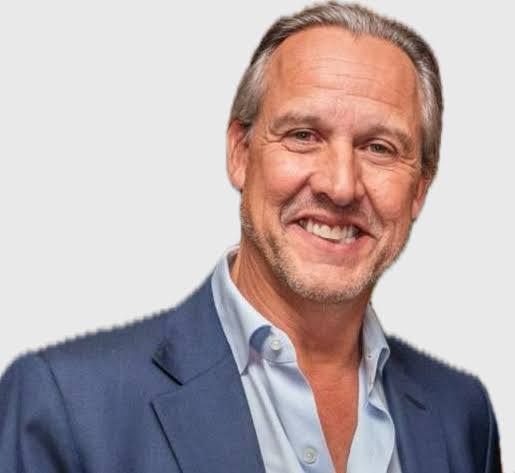
As of 2026, Robin Stanton Gleaves’s net worth has not been publicly disclosed, and no figure has been officially verified by major financial authorities. He derives his income from his business interests and leadership roles.
He serves as chairman of Black Opal Travel Group and holds director positions in companies across various sectors, including Aurora UK Topco Ltd in printing and the property firms R Stanton-Gleaves Properties Ltd and RS Gleaves Property Ltd. These roles likely generate income through salaries, dividends, or investment returns; however, no specific earnings figures have been publicly disclosed.
| Fact | Details |
|---|---|
| Full Name | Robin Stanton-Gleaves |
| Known For | British entrepreneur and Bromley FC owner |
| Nationality | British |
| Hometown | Bromley, Greater London |
| Profession | Businessman and investor |
| Robin Stanton Gleaves Net Worth | Not publicly disclosed (2026) |
| Main Income Sources | Business leadership and investments |
| Aurora Managed Services Role | Chairman |
| Black Opal Travel Group Role | Chairman |
| Bromley FC Ownership | Owner since 2019 |
| Ownership Stake | About 77% shares |
| Major Football Achievement | EFL promotion in 2024 |
| Business Experience | 30+ years in tech services |
| Education | London South East Colleges, Bromley |
| Leadership Style | Strategic and hands-on |
Bromley FC Majority Shareholding as His Most Visible Wealth Asset
Robin Stanton-Gleaves is confirmed in official filings as the ultimate majority owner of Bromley FC. Companies House records show that Bromley Football Club (95) Ltd has been controlled by BFCH Limited, a holding company, since June 2021. BFCH’s persons-with-significant-control (PSC) register lists “R Stanton-Gleaves (UK) Limited” as holding more than 75% of the shares and voting rights.
That holding company is Stanton-Gleaves’ own investment vehicle, giving him effective ownership of the club’s equity. Public statements refer to him as Bromley’s owner and chairman, making the football club his most visible asset.
Read Also: Robert Platek Net Worth
Promotion to the EFL and Its Effect on Bromley’s Club Value
In May 2024, Bromley achieved their first-ever promotion to the English Football League, entering League Two. The promotion has likely increased the club’s value substantially. League Two clubs generate far higher revenues than non-league sides. For 2023/24, Deloitte reported average League Two club revenue of roughly £6.6 million, up 22%.
SwissRamble calculates average League Two revenue at around £7.6 million, compared with only £3 million to £5 million in the National League. Bromley’s new status gives the club entitlement to central distributions, including TV and radio deals, along with greater sponsorship opportunities that were not available at non-league level.
Each League Two club now receives about £1.13 million per season in TV rights payments, while matchday revenue typically averages around £2.1 million annually. Those income streams will significantly boost Bromley’s profitability and, in turn, its enterprise value after promotion.
Private Entrepreneur and Investor Income Outside Football
Outside football, Stanton-Gleaves has decades of business experience in technology and services. He co-founded the managed print firm Balreed Digitec in the early 2000s, and the company had grown to about £40m in turnover by 2015. After Balreed was acquired by Apogee Corporation in 2015, Stanton-Gleaves became Joint CEO of the enlarged group.
He is now Executive Chairman of Aurora Managed Services, a UK office-technology provider, where he has led several acquisitions in 2023–26. He also chairs Black Opal Travel Group, a luxury bespoke tours company, and holds directorships in property-related firms, including Coldrum Homes and R Stanton-Gleaves Properties.
These varied business interests, particularly in print and IT services, likely underpin his personal wealth, although no net worth figure has been published.
Read Also: Andrew Tinkler Net Worth
Shareholder Filings Verifying Control of Bromley Football Club
Companies House filings confirm Stanton-Gleaves’ control of Bromley. In May 2022, Bromley FC (95) Ltd PSC filings recorded that his individual PSC status “ceased” on 1 June 2021 and was replaced by BFCH Limited. BFCH’s own filings then listed only one PSC: R Stanton-Gleaves (UK) Ltd, with ownership of 75% or more. Those public documents trace the ownership chain from Stanton-Gleaves’ holding company to Bromley FC, confirming that he is the club’s controlling shareholder.
Equity Value Versus Annual Income From Bromley FC
As a privately held club, Bromley FC has modest book equity. Its latest published accounts, for the year to Dec 2023, show roughly £1.32m in net fixed assets, much of it in land, stadium and equipment.
The club also carries multi-million-pound loans from related companies, notably BFCH and Stanton-Gleaves’ other companies, leaving actual net equity low or potentially negative. In practice, the club operates on tight margins.
Bromley reports no salary for Stanton-Gleaves, so his personal income from the club is either negligible or indirect, such as retained sponsorship revenue. Bromley’s share capital has minimal nominal value, and the club’s financial model relies on owner-backed funding rather than distributable profits.
Matchday, Sponsorship and Broadcast Revenue Linked to EFL Status
Bromley’s promotion to League Two opened up substantial new income streams. Under the current EFL TV deal, each League Two club receives about £1.13 million per season, compared with none in the National League. Matchday income is also higher, with SwissRamble noting that League Two clubs collect roughly £2.1 million per season in home gate receipts, compared with lower figures in non-league football.
Sponsorship deals also improve after promotion. Precise figures for Bromley are not public, but these benchmarks suggest the club’s post-promotion matchday, commercial and broadcast revenues should be several times larger than before, strengthening its income base.
Funding Behind Bromley’s Rise Before EFL Promotion
Stanton-Gleaves largely financed Bromley’s rise through owner investment and conservative budgeting rather than major transfer spending. The club generated about £0.5 million a year by renting out its artificial pitch, installed in 2017, a revenue stream that helped fund operations.
After promotion, Stanton-Gleaves immediately funded a new hybrid playing surface to replace the old artificial pitch and noted “a lot of cost involved in that infrastructure movement”. Manager Andy Woodman underlined the club’s lean approach, saying, “We’re not blessed with riches compared to other clubs.”
FAQs
When did Robin Stanton-Gleaves become chairman of Bromley FC?
He became Bromley chairman in 2019, when Jeremy Dolke handed over the role. Later reporting also states that he became chairman and owner around that period.
What ownership stake does he hold in Bromley FC?
Bromley FC’s official club information states that Robin Stanton-Gleaves is the club’s majority shareholder with 77% of the shares. The same page identifies him as chairman.
Is Robin Stanton-Gleaves listed in official UK company records?
Yes. Companies House lists Robin James Stanton-Gleaves as an active director in several UK companies, including Black Opal Travel Group Limited and Aurora UK Topco Limited.
Does he have a verified connection to London South East Colleges?
Yes. London South East Colleges has described him as an alumnus of the college. The college mentioned this in connection with its partnership with Bromley Football Club Academy.
What is his month and year of birth on the public record?
Companies House lists Robin James Stanton-Gleaves as being born in February 1968. That detail appears in his public officer record.
-
 Entrepreneur5 months ago
Carl Hartley Net Worth & Career Inside the Supercar Empire
-
 Entrepreneur5 months ago
Tom Hartley Jnr and the Business Behind the Name
-
 Influencers4 months ago
Shammi Net Worth: What Powers His Brand in 2026
-
 Businessman4 months ago
Robin Stanton-Gleaves: Career, Club, and Companies
-

 Singers4 months ago
Mary Hopkin’s Career, Earnings, and Net Worth 2026
-
 Rappers3 months ago
Clavish Net Worth 2026 Earnings, Music, and Success
-

 Entrepreneur5 months ago
Who is Vinh Giang and what is his estimated net worth?
-
 Entrepreneur4 months ago
Rocco Forte Net Worth: Wealth Behind the Hotel Empire